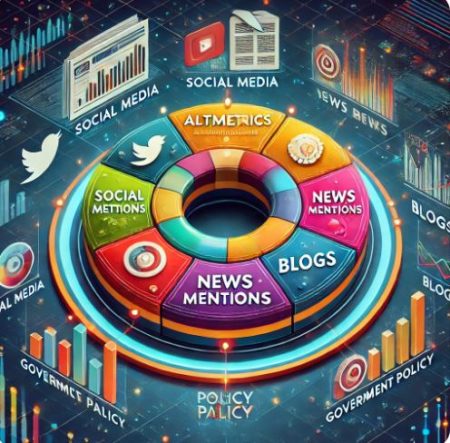
Altmetrics, short for “alternative metrics,” are a modern approach to measuring the impact and reach of scholarly research in the digital age. Unlike traditional metrics, such…
Altmetrics, short for “alternative metrics,” are a modern approach to measuring the impact and reach of scholarly research in the digital age. Unlike traditional metrics, such…
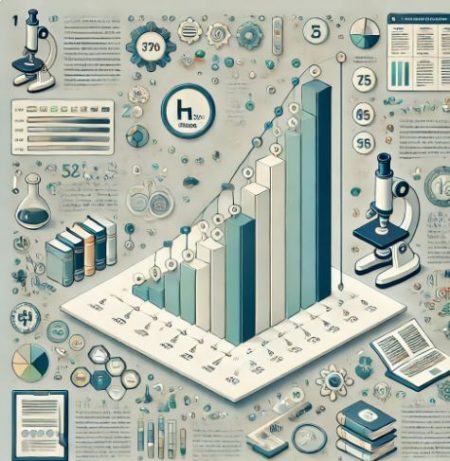
The h-index is a widely used metric for evaluating the impact and productivity of a researcher’s academic work. Introduced by physicist Jorge E. Hirsch in 2005,…

Academic cheating refers to dishonest behaviors and practices undertaken by students to gain an unfair advantage in their educational pursuits. It encompasses a wide range of…

An abstract is a concise summary of a larger work, such as a research paper, thesis, article, or report. It provides readers with a quick overview…

Disinformation refers to false information that is deliberately spread with the intent to deceive or mislead. Unlike misinformation, which can be shared unknowingly or without harmful…

Libraries have long stood as bastions of knowledge and truth in communities, providing access to a wealth of information resources. In today’s digital age, where the…
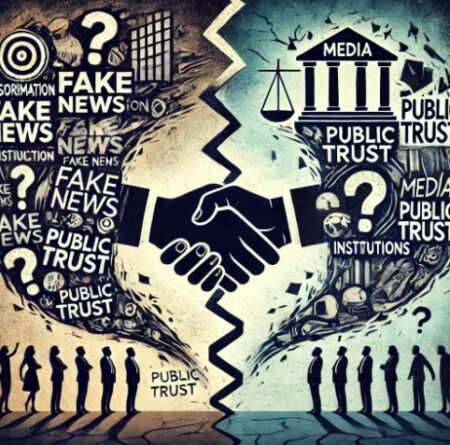
Misinformation profoundly impacts public trust in media and institutions, eroding confidence in their credibility and integrity. As false or misleading information spreads quickly through social media…
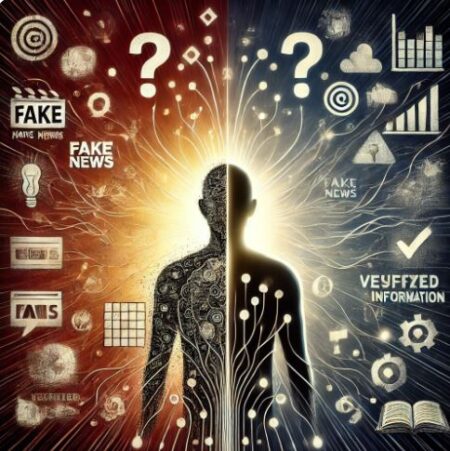
Misinformation, or false and misleading information, profoundly influences individual beliefs and behaviors by shaping how people perceive and respond to the world around them. In an…

Misinformation is spreading false, misleading, or inaccurate information, often without malicious intent. It differs from disinformation, which is intentionally deceptive, but the effects of both can…

Intellectual Capital (IC) has emerged as a crucial asset in modern library management, transforming the way libraries function and deliver services in today’s knowledge-driven world. IC…