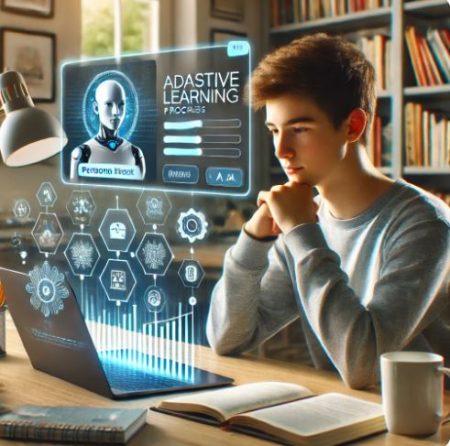
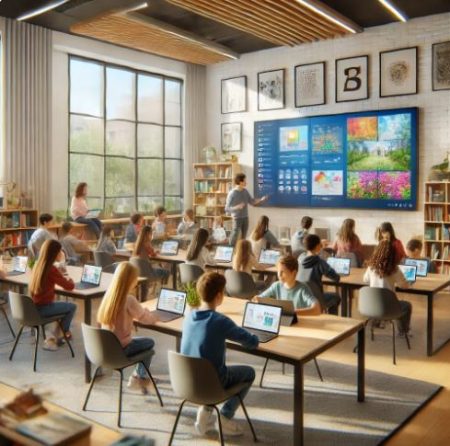
A virtual classroom is an online learning environment that reimagines the traditional classroom experience in a digital space. It is a dynamic platform where educators and students connect, collaborate, and engage in real-time interactions, irrespective of geographical distances. The virtual classroom becomes a hub of innovation through the seamless integration of technology, offering a flexible and accessible approach to education.
The essence of the virtual classroom lies in its ability to break down the physical barriers that have traditionally confined education. Learners across the globe can converge in a virtual space, no longer restricted by location or time zone, creating a melting pot of diverse perspectives and experiences. This global connectivity fosters a sense of community, where knowledge flows freely and transcends cultural boundaries.
1.1 Advantages and Disadvantages of Virtual Classroom.
Adopting virtual classrooms in education has brought about a paradigm shift, offering unprecedented advantages and unique challenges. As we navigate the landscape of online learning, exploring the dynamic interplay of benefits and drawbacks inherent in virtual classrooms becomes imperative. On the one hand, the flexibility of access, global connectivity, and the integration of innovative technologies open doors to a world of educational possibilities. On the other hand, concerns related to digital equity, potential technical barriers, and the absence of face-to-face interactions raise essential considerations.
1.1.1 Advantages of Virtual Classroom.
The rise of virtual classrooms has ushered in a new era of learning, redefining the educational landscape and offering an array of advantages that resonate with the needs of today’s learners. In this digital paradigm, the advantages of virtual classrooms extend far beyond mere convenience, encompassing a transformative experience that embraces flexibility, accessibility, and innovation.
- Flexibility in Learning: One of the primary advantages of virtual classrooms is the unprecedented flexibility they afford to both educators and students. The asynchronous nature of online learning allows individuals to engage with educational materials at their own pace. Whether juggling work commitments, family responsibilities, or navigating different time zones, learners can access lectures and assignments at times that suit their schedules. This flexibility accommodates diverse lifestyles and empowers students to take control of their learning journey.
- Global Accessibility: Virtual classrooms dismantle the barriers imposed by physical distance, ushering in a new era of global education. Students from every corner of the world can connect with top-tier educators and institutions, breaking free from the limitations of geographical constraints. This global accessibility fosters a rich diversity of perspectives and experiences within the virtual classroom, creating a dynamic and inclusive learning environment that mirrors the interconnected nature of the modern world.
- Cost-Efficiency: Besides flexibility and accessibility, virtual classrooms offer a cost-efficient alternative to traditional learning models. The financial burden on students and institutions is significantly reduced by eliminating the need for physical infrastructure, commuting expenses, and printed materials. This democratization of education ensures that quality learning experiences are not restricted by financial barriers, making education more attainable for a broader spectrum of learners.
- Interactive Learning Tools: Virtual classrooms introduce many interactive tools that enrich the learning experience. From real-time quizzes and polls to collaborative documents and interactive whiteboards, these tools engage students in ways that transcend the capabilities of traditional classrooms. The interactive nature of these features not only sustains student interest but also provides immediate feedback, fostering a dynamic and responsive learning environment.
- Individualized Learning Paths: The virtual classroom empowers educators to tailor their teaching approaches to students’ individual needs. Teachers can address each learner’s unique strengths and challenges through adaptive assessments, personalized learning paths, and one-on-one interactions. This individualized approach ensures that students receive the support they need to thrive academically, fostering a more effective and student-centric educational experience.
- Enhanced Resource Access: Virtual classrooms provide an extensive array of digital resources, including e-books, articles, videos, and online libraries. This wealth of information transcends the limitations of traditional textbooks, allowing students to explore diverse perspectives and stay updated on the latest developments in their field of study.
- Improved Time Management: The virtual classroom encourages effective time management for educators and students. With clearly defined schedules, recorded lectures, and centralized platforms for assignments and communication, participants can streamline their workflows, enhancing productivity and creating a more organized learning environment.
- Career-Relevant Skills Development: Virtual classrooms often integrate technology and relevant tools to the digital age. By engaging with online platforms, collaborative software, and multimedia resources, students develop valuable digital literacy and communication skills that are increasingly essential in today’s workforce.
As we navigate the advantages of virtual classrooms, it becomes evident that this digital transformation is more than a mere adaptation to technological advancements. It represents a paradigm shift in education, where flexibility, accessibility, and innovation converge to unlock the full potential of learning. The virtual classroom is not just a platform; it is a gateway to a dynamic and inclusive educational future where the pursuit of knowledge knows no bounds.
1.1.2 Disadvantages of Virtual Classroom.
While virtual classrooms offer many advantages, transitioning from traditional to online learning comes with challenges. Understanding the disadvantages of virtual classrooms is crucial for educators, students, and institutions as they navigate this dynamic and evolving landscape. From technical hurdles to concerns about engagement, the drawbacks offer insights into areas that require careful consideration and proactive solutions.
- Technical Challenges: One of the primary disadvantages of virtual classrooms is the potential for technical issues. Participants may encounter problems related to internet connectivity, device compatibility, or software glitches. These issues can disrupt the flow of the learning experience, causing frustration and hindering effective communication between educators and students.
- Lack of Face-to-Face Interaction: The absence of physical presence and face-to-face interaction is a significant drawback in virtual classrooms. Non-verbal cues, personal connections, and the spontaneous interactions that characterize traditional classrooms may be compromised. This can impact the depth of relationships between students and educators, potentially hindering the sense of community and camaraderie.
- Digital Fatigue: Extended screen time and prolonged engagement with digital devices contribute to a phenomenon known as digital fatigue. Students and educators may experience mental exhaustion, eye strain, and a decreased ability to focus. Balancing the demands of virtual classrooms with the need for screen breaks and physical activity becomes a crucial consideration.
- Lack of Access to Resources: Despite the wealth of digital resources available, virtual classrooms may pose challenges for students who lack reliable access to technology or a stable internet connection. This digital divide can exacerbate existing inequalities, limiting the educational opportunities for those who do not have access to the necessary tools.
- Limited Hands-On Learning: Certain subjects and disciplines rely heavily on hands-on learning experiences, practical demonstrations, and laboratory work. Virtual classrooms may struggle to replicate these tactile and experiential components, potentially impacting the depth of understanding and practical skills development in certain fields.
- Decreased Social Interaction: Social interaction is vital to the learning experience, contributing to developing interpersonal skills and a sense of belonging. In virtual classrooms, opportunities for spontaneous social interactions, casual discussions, and group activities may be limited, affecting the overall social aspect of education.
- Dependency on Technology: While technology is a powerful enabler, an overreliance on it can pose risks. Technical issues, cyber threats, or system failures can disrupt learning. Additionally, the constant use of digital tools may lead to dependency, potentially hindering students’ ability to adapt to diverse learning environments.
- Assessment Challenges: Virtual classrooms may pose challenges in conducting fair and secure assessments. Ensuring the integrity of online exams and preventing academic dishonesty can be complex. Educators need to implement effective strategies and technologies to maintain the integrity of assessments in the virtual setting.
- Teacher Training and Preparedness: The successful implementation of virtual classrooms relies on educators’ proficiency in online teaching methodologies and technologies. Insufficient teacher training and preparedness for the digital shift can impact instruction quality and virtual learning experiences’ overall effectiveness.
As we grapple with the disadvantages of virtual classrooms, it is essential to approach these challenges as opportunities for growth and improvement. Proactive measures, ongoing professional development, and a commitment to addressing the specific needs of virtual learners can help mitigate these drawbacks and pave the way for a more resilient and inclusive educational future.
Conclusion: In conclusion, exploring the advantages and disadvantages of virtual classrooms paints a nuanced picture of the evolving landscape of education. The advantages, such as global accessibility, flexibility, and innovative learning tools, underscore the transformative potential of online learning. Virtual classrooms bring education to the fingertips of diverse learners, fostering inclusivity and reducing geographical barriers. However, the journey into the digital realm is not without its challenges. Technical issues, the absence of face-to-face interactions, and concerns about digital fatigue highlight the need for careful navigation and proactive solutions. As education continues to adapt and embrace the possibilities of technology, a balanced understanding of virtual classrooms’ strengths and limitations is essential. By leveraging the advantages and addressing the disadvantages, educators, students, and institutions can collaboratively shape a dynamic and resilient future for learning.