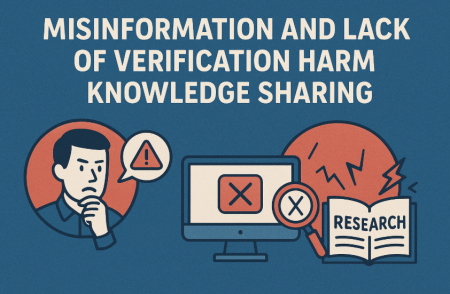
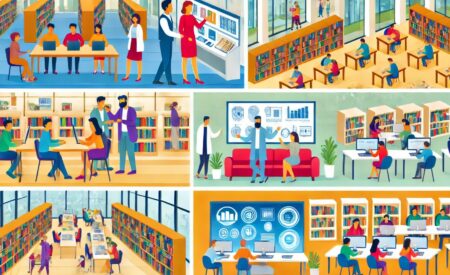
Knowledge sharing is recognized as a vital component of organizational learning, innovation, and continuous improvement. However, many organizations struggle to create an environment where individuals can freely exchange ideas, insights, and expertise. A complex set of barriers, ranging from personal attitudes to structural and technological limitations, often hinders this process. For instance, employees may withhold knowledge due to fear of criticism. Junior staff might avoid contributing during meetings because they worry that their ideas will be dismissed. Others may lack confidence in their communication skills, making them reluctant to explain a process or teach a colleague. Organizational culture can also create obstacles. In highly competitive workplaces, employees may view information as a means of personal advantage and hesitate to share strategies that could enhance their performance.
Hierarchical structures in organizations, where decisions are made at the top and flow downwards, can discourage open dialogue. Lower-level employees may feel that their input is undervalued. Additionally, practical barriers, such as a lack of efficient communication channels or digital tools, can hinder the sharing of knowledge. For instance, teams may struggle to exchange best practices when information is scattered across personal devices or outdated platforms. These challenges can collectively hinder the flow of information, limit collective learning, and diminish an organization’s ability to respond effectively to new opportunities or emerging issues. Understanding these barriers is essential for developing effective strategies that promote openness, build trust, and cultivate a culture of knowledge sharing.
Main Barriers That Prevent People from Sharing Knowledge
Knowledge sharing is a fundamental component of organizational learning, continuous improvement, and collective innovation. When individuals openly exchange ideas, experiences, and expertise, organizations become more adaptive, productive, and resilient. However, despite its significance, many institutions struggle to create an environment where people feel comfortable and motivated to share their knowledge. A variety of personal, organizational, cultural, and technological barriers can obstruct this process. Understanding these barriers is crucial for developing effective strategies that foster open communication and collaborative learning. This article examines the primary challenges that often hinder individuals from sharing knowledge in the workplace and academic settings.
- Personal and Psychological Barriers: Personal attitudes and emotions often shape an individual’s willingness to share knowledge. One of the most significant psychological barriers is fear of criticism or judgment. Employees, especially junior or inexperienced staff, may hesitate to contribute ideas because they worry their peers or supervisors will dismiss or undervalue their input. For example, a new team member may choose not to share an innovative suggestion during a meeting, fearing it might appear “wrong,” “too risky,” or “unprofessional.”
Another common barrier is a lack of confidence. Individuals may feel that their knowledge is incomplete or insignificant compared to others. This self-doubt reduces their motivation to speak up or document their insights. Some people also prefer to avoid public speaking or formal discussions due to anxiety or shyness. Additionally, knowledge can be perceived as a source of power or job security. In competitive environments, employees may intentionally withhold information to maintain their value or protect their position within the organization. As a result, knowledge becomes personalized rather than shared, weakening team performance. - Organizational and Structural Barriers: Organizational policies, communication structures, and managerial styles significantly influence how knowledge flows within an institution. Rigid hierarchies can limit open communication, as lower-level employees may feel their voices are less important. When decision-making is centralized, staff often rely on orders rather than shared knowledge to guide their work.
A lack of managerial support is another significant barrier. When leaders fail to encourage collaboration, recognize contributions, or allocate dedicated time for knowledge-sharing activities, employees become less motivated to participate in these efforts. Furthermore, high workload and time pressure make it difficult for employees to engage in discussions, documentation, or mentoring. In many workplaces, knowledge-sharing tasks are often viewed as additional responsibilities rather than integral to the job.
Reward systems can also play a role. If organizations prioritize individual performance over collective success, employees may focus solely on personal achievements, ignoring opportunities to help others learn and grow. - Cultural and Social Barriers: Social dynamics and organizational culture strongly influence knowledge-sharing behaviors. Lack of trust is one of the most significant cultural barriers to overcome. When employees doubt one another’s intentions or fear that information may be misused, they avoid sharing sensitive or valuable knowledge. A workplace lacking mutual respect, openness, or team cohesion cannot effectively promote collaborative learning.
Interpersonal conflicts or professional rivalries can further restrict communication, especially when departments compete for resources, recognition, or influence. For example, two research teams working on similar topics might avoid sharing data or best practices because they want to outshine each other.
Cultural diversity can also contribute to communication gaps. Differences in language proficiency, communication styles, or attitudes toward authority can make knowledge-sharing interactions uncomfortable or unclear. In some cultures, questioning a senior colleague or openly expressing personal insights may be considered inappropriate, leading to silence rather than dialogue. - Technological and System-Related Barriers: Technology plays a vital role in facilitating knowledge management. However, inefficient systems, outdated tools, or a lack of training can hinder the process. When information is scattered across personal devices, email threads, or unorganized documents, employees struggle to find or share knowledge effectively.
A poorly designed knowledge-management system can frustrate users, discouraging them from uploading or searching for information. If employees must navigate complex interfaces or slow platforms, they may choose the easier option-keeping knowledge to themselves. Additionally, when organizations fail to provide proper digital literacy training, employees may lack the technical skills needed to use collaborative tools confidently. - Knowledge-Related Barriers: The nature of knowledge itself can act as a barrier. Many types of knowledge, especially tacit knowledge, are difficult to articulate. Tacit knowledge encompasses personal experiences, insights, intuitions, and skills acquired through hands-on practice. For example, a librarian who has developed a “feel” for troubleshooting library databases may struggle to put that instinctive understanding into step-by-step instructions.
Knowledge that is unstructured, outdated, or unclear can also discourage sharing. Individuals may avoid documenting information they believe is too complex or irrelevant, leading to the loss of valuable insights over time.
Knowledge sharing is essential for building dynamic, capable, and innovative organizations. However, personal hesitation, organizational limitations, cultural dynamics, technological issues, and the nature of knowledge itself can significantly obstruct this process. These barriers hinder communication, impede institutional learning, and compromise overall performance. By recognizing and addressing these challenges through supportive leadership, trust-building initiatives, user-friendly technologies, and a culture that values collaboration, organizations can create an environment where knowledge flows freely and consistently benefits everyone.
Why Do People Hesitate to Share What They Know, Even When It Benefits the Team?
People often hesitate to share what they know, even when doing so would benefit the entire team, due to a combination of psychological, organizational, and social factors. One of the most common reasons is the fear of judgment or criticism. Individuals, especially those who are new, junior, or introverted, worry that their ideas may be dismissed or considered incorrect, so they choose to remain silent rather than risk embarrassment or rejection. This hesitation is often reinforced by a lack of confidence, where people underestimate the value of their own knowledge or assume that others already possess the same knowledge. Some employees also view knowledge as a form of personal power or job security, believing that sharing too much might reduce their importance or make them easily replaceable. Trust also plays a significant role; when team members do not trust their colleagues or the overall work environment, they fear that their contributions might be misused, criticized unfairly, or taken without proper credit. Poor communication skills or discomfort in expressing ideas can also prevent individuals from speaking up, particularly when they struggle with public speaking, language barriers, or explaining complex concepts clearly.
Practical challenges add to this hesitation. Heavy workloads and time pressure often leave little room for documentation or collaborative discussions, making knowledge sharing seem like an extra task rather than a core responsibility. In many organizations, unclear expectations or weak managerial support further discourage people from sharing their knowledge, as employees may feel that such efforts are not recognized or rewarded. Cultural norms and interpersonal dynamics also influence behavior. In hierarchical or highly competitive environments, employees may remain quiet to avoid conflict, maintain their status, or simply follow established social patterns. Finally, the nature of knowledge itself can be a barrier. Much of what individuals know is tacit—built through experience and difficult to articulate. When people find it challenging to explain their insights in a simple or structured way, they may prefer to keep them to themselves. Together, these factors create an environment where individuals hesitate to share valuable information, ultimately limiting learning, innovation, and team performance.