
Wireless networking in libraries has become an essential component of modern library services, significantly transforming the way patrons access information and interact with resources. With the advent of mobile technology and the increasing demand for internet connectivity, libraries are no longer static spaces that only house physical collections. They have evolved into dynamic environments where users expect seamless access to digital resources, whether within the library or remotely. For instance, many academic libraries now offer Wi-Fi access to support the growing use of personal laptops, smartphones, and tablets for research and study. Wireless networks in libraries offer unparalleled flexibility, enabling patrons to connect to the internet from virtually anywhere within the library’s premises, which in turn fosters a more collaborative and interactive learning environment. This is exemplified by libraries like the Boston Public Library, which has created open, wireless access areas that encourage both individual and group learning in various spaces across the building.
Wireless networking supports the integration of a variety of devices, from smartphones and tablets to laptops and e-readers, enhancing the accessibility and usability of library resources. Libraries have leveraged wireless access to provide easy connections to e-books, audiobooks, and online databases such as JSTOR and ProQuest, making it easier for users to explore digital content. For example, the National Library of Singapore has integrated its wireless network to allow users to access a wide range of digital resources across multiple devices without the need for physical computer stations.
As libraries continue to embrace digital transformation, wireless networks have become fundamental in offering enhanced services, including access to online databases, e-books, virtual reference tools, and educational platforms. This shift is evident in libraries that host live online learning events or virtual consultations through wireless-enabled services, as seen in the University of California Libraries, which offer students the ability to access research materials and participate in webinars remotely. However, the implementation and maintenance of these networks come with their own set of challenges, including security concerns, infrastructure costs, and the need for constant technological updates. Despite these challenges, the future of wireless networking in libraries looks promising, with advancements in technology continually expanding the possibilities for innovation and improved user experience, such as the upcoming integration of 5G technology in libraries for faster connectivity and better support for data-heavy applications.
What is a Wireless Network?
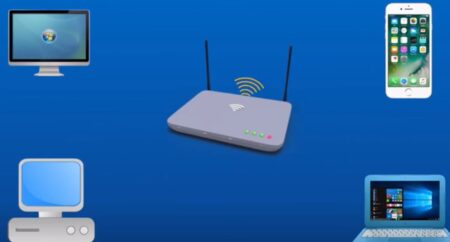
A wireless network is a type of computer network that allows devices to connect and communicate without the need for physical cables or wired connections. It uses radio waves or infrared signals to transmit data between devices, such as smartphones, laptops, and routers. Wireless networks can be found in various environments, from homes and offices to public spaces like libraries, cafes, and airports.
The most common type of wireless network is Wi-Fi, which allows devices to connect to the internet and local networks within a certain range of a wireless access point or router. These networks operate on specific frequencies, such as 2.4 GHz and 5 GHz, to transmit and receive data. Wireless networks can support multiple devices simultaneously, making them ideal for environments where users need to stay connected without being tethered to a specific location.
Wireless networks are crucial for enabling mobility and flexibility, as users can access the network from various locations within the coverage area. In a library setting, for example, a wireless network allows users to connect to digital resources, search library catalogs, and access databases from laptops, tablets, or smartphones, all without needing to be at a fixed computer terminal. Wireless networking is also the foundation for the Internet of Things (IoT), where devices like smart thermostats, sensors, and lights can be connected and controlled remotely.
The Benefits of Wireless Networking in Libraries
As libraries continue to adapt to the demands of modern society, wireless networking has emerged as a key tool in revolutionizing the way library services are delivered. Gone are the days when libraries were simply quiet spaces filled with books. Today, they have evolved into vibrant hubs of learning, collaboration, and digital engagement. Wireless networks in libraries play a pivotal role in this transformation, offering an array of benefits that enhance the user experience, improve operational efficiency, and support the evolving educational landscape.
- Enhanced Access to Resources and Information: One of the most significant advantages of wireless networking in libraries is the improvement in access to digital resources. In a wireless-enabled library, users are no longer restricted to fixed computer terminals to access the internet or library databases. They can now use their personal devices, such as smartphones, laptops, and tablets, to connect to the library’s network, whether they are inside the building or sitting in the outdoor café. This mobility allows users to explore a wealth of resources, from digital books and journals to online databases and research tools, on their own terms. The ability to access information from anywhere within the library’s coverage area provides a seamless and efficient experience, making it easier for patrons to conduct research, study, or simply browse available content.
For example, academic libraries are increasingly offering access to resources like JSTOR, EBSCOhost, and other specialized databases, which can be accessed wirelessly by students, faculty, and researchers. This type of access enhances learning opportunities and supports diverse research needs, especially in academic settings. - Supporting a Variety of Devices: Wireless networking in libraries offers flexibility, supporting an array of devices and technology preferences. Patrons can use their personal smartphones, tablets, laptops, and even e-readers to connect to the library’s wireless network and access a wide range of services. Whether it’s downloading an e-book, streaming an educational video, or using a digital citation manager like Zotero or Mendeley, wireless networks cater to the diverse needs of library users.
This compatibility with multiple devices allows libraries to offer a personalized experience for patrons. For example, a student may prefer using a laptop to write a research paper, while another user may want to read an e-book on their tablet. Both can access the library’s resources simultaneously and seamlessly without the need to be tied to a specific device or location. The ability to use personal devices also enhances the library’s role in promoting mobile learning, allowing users to study or conduct research anytime, anywhere. - Fostering Collaboration and Group Work: Wireless networks also foster collaboration among library users. In spaces where group work and collaborative learning are encouraged, such as study rooms or lounge areas, wireless networking enables students and researchers to share resources, exchange ideas, and collaborate in real time. By connecting to the internet wirelessly, individuals can access shared documents, use cloud-based applications like Google Drive or Dropbox, and work together on group projects without needing to be seated at fixed desktop computers.
For example, in university libraries, students can collaborate on assignments or presentations by accessing the same document simultaneously on their own devices. This type of collaborative learning environment helps build critical thinking, communication, and problem-solving skills, making libraries not only places of individual study but also dynamic spaces for group interaction and intellectual exchange. - Remote Access to Library Services: Another key benefit of wireless networking in libraries is the ability to access library resources remotely. This is particularly valuable for users who are unable to visit the library in person, such as online students, distance learners, or those in remote locations. Wireless networks facilitate access to a variety of digital resources such as e-books, research databases, academic journals, and online courses, even when users are off-site.
For instance, libraries that provide online access to materials like e-journals, databases, and digital archives enable students and faculty to continue their research and studies from home or any other location with internet access. The University of Oxford, for example, offers remote access to its extensive library resources, ensuring that users can connect to the library’s wireless network no matter where they are located, as long as they have an internet connection. This remote accessibility significantly enhances the reach of library services and supports lifelong learning. - Cost-Effectiveness and Space Optimization: Wireless networking in libraries also offers cost-effective benefits. Traditional wired networks require extensive infrastructure, including physical cabling, switches, and fixed computer terminals. In contrast, wireless networks eliminate the need for such hardware, reducing both installation and maintenance costs. Additionally, libraries can use their physical space more efficiently by removing desktop computers and encouraging users to bring their own devices.
This optimization of space allows libraries to create more flexible and adaptable environments. For instance, libraries can provide more seating areas, collaborative workspaces, or even informal lounge areas where users can connect to the wireless network while engaging in individual or group activities. This space flexibility enables libraries to accommodate the growing number of mobile device users and adapt to the changing needs of their patrons. - Enabling Future Technologies: Wireless networking provides a solid foundation for the integration of emerging technologies into library environments. As libraries increasingly adopt innovative tools like augmented reality (AR), virtual reality (VR), and the Internet of Things (IoT), wireless networks play a critical role in supporting these advanced technologies. For example, libraries are beginning to use VR headsets for immersive learning experiences, AR for interactive exhibits, and IoT devices for smart lighting and temperature control.
Wireless networks are essential for these technologies, as they rely on fast and reliable internet connectivity to function. By investing in robust wireless networks, libraries are preparing themselves for future advancements and ensuring they can offer cutting-edge services to patrons. With the rise of 5G technology, libraries may soon be able to provide even faster and more reliable wireless connections, supporting high-bandwidth applications such as live-streaming, 4K video, and real-time data analysis. - Improved Security and User Privacy: Modern wireless networks are equipped with advanced security protocols that protect users’ data and ensure secure connections. Libraries can implement various encryption methods, such as WPA3 (Wi-Fi Protected Access), to safeguard the transmission of sensitive information. This enhances the security of the wireless network, ensuring that users can access resources without worrying about unauthorized access or data breaches.
Furthermore, libraries can implement access control mechanisms, allowing only authorized users to connect to the network. For example, a library may require patrons to log in with a library card number or university credentials before accessing the network. These security measures help maintain a safe and reliable digital environment for all users.
Wireless networking has fundamentally changed how libraries operate and interact with their patrons. From enhancing access to resources and supporting multiple devices to fostering collaboration and enabling remote access, the benefits of wireless networking in libraries are immense. As libraries continue to embrace technological advancements, wireless networks will remain at the heart of their operations, providing the flexibility, connectivity, and innovation necessary to meet the evolving needs of users in the digital age.
How Wireless Networking Improves Access to Library Resources for Students and Faculty
Wireless networking has greatly enhanced access to library resources for both students and faculty, offering a more flexible and efficient way to engage with academic materials. In a traditional library setting, users often had to rely on fixed computer terminals to access databases, e-books, and other digital resources. However, with wireless networking, students and faculty can connect to the library’s network using their own personal devices—whether it’s a laptop, tablet, or smartphone—anywhere within the library. This flexibility allows them to seamlessly access a wide range of digital content, from academic journals and research papers to e-books and online course materials. For instance, faculty members can access teaching materials, research articles, and databases like PubMed or Scopus right from their office or while walking through the library.
For students, wireless networking facilitates a more collaborative and interactive learning experience. They can work on group projects, share resources, and access shared documents in real time, whether in a designated study area or while seated in the library lounge. Additionally, wireless networks make it easier for remote students or faculty to connect to the library’s resources from off-campus locations, providing access to e-journals, online databases, and even virtual reference services. This remote access is especially beneficial in today’s increasingly digital academic environment, ensuring that learning and research are not confined to physical spaces. By eliminating the need for fixed terminals, wireless networking empowers users to engage with library resources more freely, efficiently, and conveniently, ultimately supporting a more dynamic academic experience for both students and faculty.
How Wireless Networking Has Influenced the Usage Patterns of Library Spaces
Wireless networking has had a profound impact on how library spaces are used, shifting the way students, faculty, and other patrons interact with the library environment. In the past, libraries were primarily seen as quiet, solitary spaces where users were confined to fixed computer stations or reading areas. However, with the advent of wireless connectivity, library spaces have become more dynamic and flexible, encouraging a broader range of activities and interactions. Wireless access has facilitated a more mobile experience for library users, enabling them to connect to the internet from virtually anywhere within the library. This mobility has resulted in a shift from traditional, rigid space configurations to more open and collaborative layouts.
As wireless networks enable users to bring their personal devices, such as laptops, tablets, and smartphones, into the library, there has been a noticeable increase in the use of communal and collaborative spaces. Group study rooms, lounges, and informal seating areas have become popular spots where students and faculty can engage in group projects, online research, or discussions without being confined to a desk. This shift has transformed libraries into more interactive learning environments, where the boundaries between individual and collaborative study are blurred. For instance, libraries have adapted by creating flexible spaces that cater to both quiet, individual study and group work, such as areas designed for team collaboration or technology-enabled meeting rooms.
Moreover, wireless networking has contributed to the increased use of library spaces outside traditional hours. With access to digital resources at their fingertips, users can continue their research, study, and learning activities from different locations within the library even after regular hours, enhancing the overall utility and availability of library services. This shift in usage patterns underscores how wireless networking has not only made libraries more accessible but also redefined them as active, adaptable spaces that cater to the changing needs of modern users.
How Wireless Networking Helps Libraries Offer More Flexible and Scalable Services to Patrons
Wireless networking has become a cornerstone in helping libraries provide more flexible and scalable services to their patrons, enabling them to adapt quickly to the evolving demands of users. Traditionally, library services were confined to fixed spaces with desktop computers or physical books, limiting the accessibility and scope of library offerings. However, with the integration of wireless networks, libraries can now offer services that cater to a diverse and increasingly mobile user base. Wireless connectivity allows patrons to access library resources from anywhere within the library building or even remotely, breaking down the spatial and temporal constraints of traditional library services.
This flexibility enables libraries to better accommodate the needs of modern users who rely on a wide variety of devices, such as laptops, smartphones, and tablets. By supporting these devices through wireless networks, libraries can offer a more personalized and user-centered experience. Patrons can choose to study in quiet zones, collaborate in group areas, or even enjoy the outdoor spaces, all while staying connected to library resources. This adaptability also supports a more efficient use of library space, as libraries no longer need to be structured around rows of fixed computer stations, allowing them to repurpose spaces for different functions such as collaborative work areas or flexible meeting rooms.
Wireless networking supports the scalability of library services. As the demand for digital resources, online learning tools, and virtual reference services grows, libraries can easily expand their offerings without the need for major physical infrastructure changes. For example, libraries can increase the number of online courses, virtual workshops, and digital archives without worrying about overloading physical terminals. They can also extend services to remote users, providing access to resources and support to those who cannot visit the library in person. The ability to scale digital services quickly is particularly beneficial for libraries serving large and diverse user populations, such as universities, where students and faculty need constant access to up-to-date resources and collaborative tools.
Challenges of Wireless Networking in Libraries
While wireless networking has revolutionized the way libraries operate and provide services, it also comes with a set of challenges that library administrators must address to ensure the effective delivery of resources and maintain a high-quality user experience. These challenges range from technical and security concerns to financial and infrastructural limitations, all of which must be carefully managed to optimize the benefits of wireless networks while mitigating potential issues.
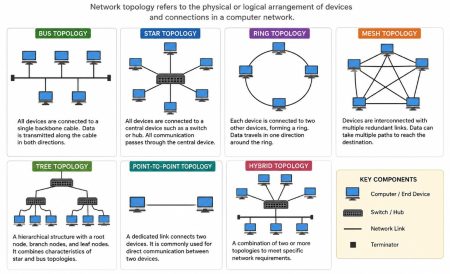
- Technical Issues and Infrastructure Limitations: One of the primary challenges of wireless networking in libraries is ensuring a robust and reliable technical infrastructure. Unlike wired networks, wireless systems are more susceptible to interference and signal degradation, particularly in large or multi-story buildings. Factors such as the layout of the library, the presence of physical barriers (walls, shelves, furniture), and the density of users can affect the strength and speed of the Wi-Fi signal. Libraries must invest in high-quality routers, access points, and network management tools to ensure consistent coverage across all areas. In larger libraries, this might involve installing additional access points or using mesh networks to maintain reliable connectivity. These infrastructure upgrades can be costly and require continuous maintenance to keep up with technological advancements.
- Network Congestion and Bandwidth Limitations: Another challenge associated with wireless networking in libraries is managing network congestion. As more users connect to the network, the available bandwidth is shared among all devices, which can lead to slower speeds, especially during peak usage times. For instance, in a university library during exam week or at the start of a semester, many students and faculty may be simultaneously using the network to access digital resources, stream videos, or participate in online classes. This congestion can significantly slow down the network, impacting the efficiency of users’ tasks. Libraries need to monitor network usage and may need to invest in additional bandwidth, implement bandwidth management strategies, or prioritize critical applications to ensure the smooth operation of library services.
- Security Concerns: Security is a critical concern when implementing wireless networks in libraries. Open or weakly secured wireless networks are susceptible to unauthorized access, which can compromise both the privacy of users and the integrity of library data. Libraries must take steps to protect sensitive information by implementing strong encryption methods (such as WPA3), secure user authentication systems, and regular security audits. Additionally, public Wi-Fi networks, especially in libraries, can attract malicious actors who may attempt to intercept data or launch cyberattacks. Ensuring the security of library networks requires not only investment in secure technologies but also continuous monitoring and updating of security protocols to stay ahead of evolving threats.
- Access Control and Privacy Issues: With wireless networking, libraries face challenges related to access control and user privacy. Libraries must balance the need to provide open access to network services with the need to protect users’ personal information and prevent misuse of the network. This is particularly challenging in environments with high foot traffic, where users may be accessing the network without registering their personal details or using the network for unauthorized purposes. Libraries need to implement authentication protocols, such as requiring users to log in with library credentials or offering time-limited sessions, to control access and protect privacy. However, these measures can be cumbersome for users and may affect the overall ease of access to library services.
- Cost and Resource Constraints: Implementing and maintaining a wireless network can be expensive, particularly for libraries with limited budgets. High-quality routers, access points, and network infrastructure require significant upfront investment, and ongoing costs are incurred for system maintenance, software updates, and troubleshooting. Additionally, libraries may need to hire or train specialized IT staff to manage and support the network. For smaller libraries, these financial and resource constraints may limit their ability to provide high-speed, high-capacity wireless services that can accommodate large numbers of users simultaneously. Budget limitations may also hinder the library’s ability to implement more advanced technologies, such as 5G connectivity, that could enhance the user experience but come with higher costs.
- User Expectations and Technological Gaps: With the widespread availability of fast and reliable Wi-Fi in many public spaces, library users often have high expectations for network performance. However, libraries may struggle to meet these expectations due to various factors, including limited bandwidth, outdated infrastructure, or security protocols that prioritize privacy over convenience. Additionally, libraries may serve a diverse user base, some of whom may not be technologically literate or may struggle with device compatibility issues. Older devices or operating systems may not connect to newer Wi-Fi networks, causing frustration for users who cannot access library resources. To address these challenges, libraries must continuously assess user needs, upgrade technologies, and provide user support to help patrons navigate any connectivity issues.
While wireless networking has transformed libraries into more flexible, dynamic spaces that provide greater access to resources, it is not without its challenges. Ensuring reliable network performance, managing security risks, controlling user access, and addressing cost constraints are just a few of the obstacles that libraries must navigate. However, with careful planning, ongoing investment, and the adoption of best practices in network management, libraries can overcome these challenges and continue to offer high-quality services that meet the needs of modern patrons. The ongoing evolution of wireless networking technologies promises even more opportunities for innovation, but it also requires libraries to remain vigilant and proactive in tackling these challenges head-on.
Balancing Open Access to Wireless Networks with User Privacy and Data Security in Libraries
Libraries face the unique challenge of providing open access to their wireless networks while simultaneously ensuring the privacy and security of user data. As public spaces, libraries are committed to offering free and convenient internet access to all patrons, fostering an inclusive and equitable learning environment. However, this open access can expose users to risks, such as unauthorized access, data breaches, and cyberattacks, making it essential for libraries to strike a delicate balance between accessibility and security.
To address these concerns, libraries must implement robust security measures that protect both the network and users’ personal information. One essential step is using encryption protocols, such as WPA3 (Wi-Fi Protected Access), which encrypt data transmitted over the wireless network, making it significantly more difficult for malicious actors to intercept or manipulate the data. Additionally, libraries should require authentication for network access. While many public Wi-Fi networks are open and unrestricted, libraries can implement a login system where users must authenticate themselves using a library card number, university credentials, or a temporary access code. This not only helps control access but also provides a way to track usage for troubleshooting or security purposes.
To further protect user privacy, libraries should avoid collecting unnecessary personal data during the authentication process. If user information is collected, it should be stored securely and comply with data protection regulations such as the General Data Protection Regulation (GDPR) or similar local laws. Additionally, libraries can offer patrons the option of using secure browsing modes or provide VPN (Virtual Private Network) services for users who want an added layer of protection when accessing the internet through the library’s network.
Another strategy is to monitor the wireless network for unusual activity or potential security threats without infringing on user privacy. Libraries can deploy intrusion detection systems (IDS) that track unauthorized access or malicious behavior on the network, allowing IT staff to respond quickly to potential risks. These systems should be configured to protect user anonymity while focusing on network security.
By implementing these security measures-encryption, authentication, limited data collection, and active monitoring-libraries can offer patrons open access to wireless networks while ensuring their personal data remains protected. With the right balance, libraries can uphold their commitment to providing equitable access to information while safeguarding user privacy and security.
Challenges Libraries Face in Maintaining High Network Performance in High-Traffic Areas
Maintaining a high level of network performance in libraries, particularly in high-traffic areas, presents several technical and logistical challenges. As libraries evolve into hubs of learning and digital engagement, they increasingly rely on wireless networks to support a large number of simultaneous users. High-traffic areas, such as study rooms, public seating areas, and computer labs, can experience significant strain on the network infrastructure, leading to performance degradation and user frustration.
One of the primary challenges in high-traffic areas is managing network congestion. When many users attempt to access the network simultaneously, the available bandwidth can become insufficient, causing slower connection speeds, dropped connections, and delays in accessing resources. This is particularly problematic during peak usage times, such as exam periods or when there are large events taking place at the library. To address this, libraries must invest in scalable infrastructure that can handle increased demand. This might involve upgrading to higher-capacity routers and access points, distributing the load across multiple access points to avoid bottlenecks, and using technologies like load balancing to ensure even distribution of network traffic.
Another challenge is interference from physical obstacles and environmental factors. In large library buildings with dense furniture, bookshelves, and walls, wireless signals can weaken, reducing the effectiveness of the network in certain areas. Signal interference from other electronic devices, such as microwaves or Bluetooth devices, can also affect network performance. To mitigate this, libraries may need to deploy additional access points strategically, ensuring that coverage is optimized across all high-traffic zones. This requires thorough planning and possibly the use of advanced technologies, like mesh networks, which enable multiple access points to work together to extend coverage and ensure a more reliable connection.
Security concerns can also impact network performance, especially in high-traffic areas where many users are accessing the network at once. Implementing robust security protocols, such as WPA3 encryption or firewall protections, can sometimes create additional overhead, slowing down the network, especially if these security features are not optimized. Libraries must balance the need for a secure network with the requirement for fast, uninterrupted access, ensuring that security measures do not unduly compromise performance.
Finally, managing the diverse range of devices and technological skills among library patrons can pose challenges. Users with older devices or incompatible software may experience slower connections or difficulty accessing resources, further taxing the network. Libraries must ensure that the network can support a variety of devices, from smartphones and tablets to laptops and e-readers, all of which may have different connectivity requirements. Offering support and guidance for users on how to troubleshoot connectivity issues can also help maintain a high level of user satisfaction.
How the Growing Use of the Internet of Things (IoT) is Affecting Wireless Networking Strategies in Libraries
The growing use of the Internet of Things (IoT) in libraries is significantly influencing wireless networking strategies, as libraries increasingly integrate smart devices and systems into their operations. IoT refers to the network of interconnected devices that can communicate with each other and exchange data, and it is transforming libraries by enabling more efficient management of resources, enhanced user experiences, and improved operational capabilities. As IoT devices such as smart thermostats, security cameras, lighting systems, and RFID (Radio Frequency Identification) tags become more prevalent, they place additional demands on wireless networks, requiring libraries to rethink and optimize their networking strategies.
One of the primary impacts of IoT on wireless networking is the increased demand for bandwidth. IoT devices continuously send and receive data, which can contribute to network congestion, especially in libraries with high-density usage. For instance, smart lighting systems and environmental sensors may require constant communication with a central network, while RFID tags on books or other resources transmit data to track inventory and manage circulation. In high-traffic areas, these devices, combined with the large number of patrons accessing the internet via personal devices, can put significant strain on the available bandwidth. To accommodate this growing demand, libraries need to invest in higher-capacity routers, access points, and more robust network management solutions to ensure that both IoT devices and patrons’ devices can function without disruption.
Additionally, the integration of IoT devices in libraries requires enhanced network security measures. Many IoT devices transmit sensitive data, and a breach in one device can potentially compromise the entire network. Libraries must ensure that their wireless networks are secured with advanced encryption methods, firewalls, and intrusion detection systems to protect both user data and IoT systems from cyber threats. The increased number of connected devices also necessitates stronger access control measures, ensuring that only authorized users and devices can access the network. Furthermore, IoT-driven services such as smart study rooms, automated checkouts, and real-time inventory tracking are changing the way libraries operate and engage with patrons. These technologies rely on fast, reliable wireless networks to function properly. For example, smart book checkouts and return systems use IoT technology to automatically register borrowed materials, improving efficiency and reducing wait times. This requires a network infrastructure capable of handling multiple devices communicating simultaneously, which adds another layer of complexity to wireless networking strategies.
Finally, libraries are adopting more advanced network management tools to monitor the performance of IoT devices and ensure that the network is operating at optimal capacity. These tools can help libraries track device usage, identify bottlenecks, and resolve connectivity issues in real time. In this way, IoT is not only changing how libraries deploy wireless networks but also how they manage and maintain them to ensure smooth and uninterrupted service.
The Potential Implications of 5G Technology on the Future of Wireless Networking in Libraries
The advent of 5G technology holds significant promise for the future of wireless networking in libraries, offering several potential benefits that could revolutionize the way libraries operate, deliver services, and engage with patrons. As the next generation of mobile connectivity, 5G is expected to provide faster speeds, lower latency, and greater bandwidth, enabling more reliable and efficient connections for a wide range of devices and applications. For libraries, the implementation of 5G technology could bring about profound changes in both operational capabilities and the overall user experience.
One of the most notable implications of 5G for libraries is the potential for vastly improved internet speeds. 5G networks are expected to be up to 100 times faster than 4G, which means users can experience near-instant access to digital resources, download large files, and stream high-definition video with minimal buffering. This enhanced speed is particularly beneficial in libraries that host large digital collections, such as e-books, academic journals, multimedia resources, and databases. Students, researchers, and faculty will be able to access these resources more efficiently, enabling faster research and study processes, while virtual learning tools like video conferences, webinars, and online classes will be able to function seamlessly with high-quality, uninterrupted connections.
The increased bandwidth and lower latency offered by 5G will also support the growing demand for Internet of Things (IoT) devices in libraries. IoT devices, such as smart lighting, environmental sensors, automated check-in systems, and security cameras, rely on continuous data transmission. 5G’s ability to handle massive amounts of data in real time will allow libraries to scale up their IoT implementations without compromising network performance. This capability will support libraries in creating smarter, more responsive environments where systems can automatically adjust to user needs, manage resources efficiently, and provide a more personalized experience. For example, 5G could facilitate the real-time tracking of library resources, improve inventory management, and enable intelligent energy use across library buildings.
5G could drive innovation in emerging technologies like augmented reality (AR) and virtual reality (VR), which have the potential to transform library services. With its high-speed, low-latency connectivity, 5G could allow for immersive AR and VR experiences that are currently limited by the constraints of existing wireless networks. Libraries could use these technologies to offer interactive exhibits, virtual tours, or even immersive learning environments that bring subjects to life in entirely new ways. Whether for historical simulations or virtual lab experiments, the capabilities enabled by 5G would allow libraries to provide cutting-edge educational experiences that go beyond traditional resources.
For mobile users, the enhanced coverage of 5G would enable better connectivity both inside and outside the library. Students could access library resources and services from their personal devices, whether in the library building, at home, or on the go, without experiencing significant drops in connection quality. This expanded coverage could also be a boon for remote learning, allowing library patrons to interact with virtual services, access online catalogs, and participate in collaborative projects with minimal connectivity issues.
The implementation of 5G networks in libraries, however, does come with some challenges. The infrastructure required to support 5G technology can be expensive, as it may involve upgrading existing equipment, installing new antennas, and expanding coverage across library campuses. Libraries will need to invest in both the hardware and the expertise to manage these advanced networks. Furthermore, while 5G promises to bring faster speeds and greater capacity, libraries will need to ensure that security measures are in place to protect users’ privacy and data integrity in a more connected environment.
Emerging Wireless Technologies Libraries Should Prepare for to Meet Future User Demands
As the digital landscape continues to evolve, libraries must stay ahead of emerging wireless technologies to meet the ever-changing needs of users. Libraries are increasingly expected to support a range of high-tech services, and the adoption of cutting-edge wireless technologies will be key in ensuring they remain at the forefront of digital engagement. Several emerging technologies are poised to impact wireless networking in libraries, offering exciting opportunities for enhanced connectivity, increased efficiency, and improved user experiences. Here are some of the key wireless technologies that libraries should prepare for:
- 5G Connectivity: As mentioned earlier, 5G technology is expected to revolutionize wireless networks with faster speeds, lower latency, and increased bandwidth. Libraries will need to be prepared for the widespread deployment of 5G networks, as they offer the potential to deliver seamless access to online resources, immersive learning experiences, and real-time data streaming. With 5G, libraries can handle high volumes of data traffic, support IoT devices on a larger scale, and enable high-definition video conferencing, virtual reality (VR), and augmented reality (AR) applications. As more users rely on mobile devices, 5G will also ensure that library patrons have consistent, high-quality access to digital resources from any location.
- Wi-Fi 6 (802.11ax): Wi-Fi 6 is the latest generation of Wi-Fi technology and offers several improvements over previous standards, including faster speeds, increased capacity, and enhanced efficiency in crowded environments. Libraries, especially those with high traffic and large numbers of concurrent users, can benefit from Wi-Fi 6’s ability to handle multiple devices simultaneously without compromising performance. Wi-Fi 6 also improves battery life for connected devices, which is particularly useful in library settings where patrons may be using devices for extended periods. By implementing Wi-Fi 6, libraries can ensure a more stable and reliable connection for users accessing online databases, streaming resources, or collaborative tools.
- Mesh Networking: Mesh networking is a wireless network system in which multiple access points work together to create a unified network. Unlike traditional networks, where devices connect to a central access point, mesh networks use multiple nodes to distribute the signal across a wider area. This technology can significantly improve Wi-Fi coverage and eliminate dead spots, making it ideal for large, multi-story libraries or buildings with complex layouts. As libraries continue to expand their spaces and serve more users, mesh networks offer a scalable solution to ensure consistent and high-quality network performance throughout the library. With mesh networking, libraries can offer uninterrupted connectivity across all areas, from reading rooms and study areas to outdoor spaces.
- Internet of Things (IoT) and Low Power Wide Area Networks (LPWANs): IoT technology has already begun to shape library environments, enabling the automation of various processes, such as inventory management, environmental monitoring, and user interactions. To accommodate the growing number of IoT devices, libraries will need to adopt technologies like Low Power Wide Area Networks (LPWANs), which are designed to support large-scale deployments of connected devices while consuming minimal power. LPWANs, such as LoRa (Long Range) and NB-IoT (Narrowband IoT), offer long-range connectivity with low energy consumption, making them ideal for libraries looking to implement smart systems such as environmental sensors, smart lighting, automated book checkouts, and asset tracking systems. By preparing for LPWANs, libraries can manage their IoT devices more efficiently and create smarter, more responsive library environments.
- Bluetooth Low Energy (BLE): Bluetooth Low Energy (BLE) is a wireless technology designed for short-range communication with low power consumption. It is widely used in applications such as location-based services, proximity-based notifications, and asset tracking. In libraries, BLE can be used for a range of applications, including interactive displays, navigation systems, and smart access control. For example, libraries can use BLE beacons to guide patrons to specific sections or resources, offer personalized notifications based on user location, or even track library materials in real-time. BLE is also a critical component in the development of contactless services, such as mobile-based book checkouts or touchless access to library facilities, enhancing the overall user experience.
- Augmented Reality (AR) and Virtual Reality (VR): As libraries seek to provide more immersive learning experiences, AR and VR technologies are expected to play an increasingly important role. These technologies require robust wireless networks to deliver high-quality content and ensure smooth performance. With the potential to transform how users interact with library resources, AR and VR can offer virtual tours of collections, interactive exhibits, historical simulations, or 3D visualizations of data. Libraries that adopt AR and VR technologies will need high-speed, low-latency wireless networks to support these data-heavy applications. Investing in advanced wireless infrastructure, such as 5G or Wi-Fi 6, will ensure that libraries can seamlessly integrate AR and VR into their services, providing innovative learning opportunities for students, researchers, and general patrons.
- Cloud-based Services and Edge Computing: The growing reliance on cloud-based services for data storage, collaboration, and computing is another trend that libraries must consider as they develop their wireless networks. Libraries are increasingly offering cloud-based access to resources such as e-books, research databases, and collaborative tools. To ensure the efficient delivery of these services, libraries will need to adopt edge computing, which brings computation and data storage closer to the location where it is needed, reducing latency and bandwidth usage. By integrating edge computing into their wireless networking strategies, libraries can improve the performance of cloud-based applications, enhance user experiences, and support more data-intensive activities, such as real-time collaboration and high-quality media streaming.
As wireless technology continues to evolve, libraries must stay ahead of emerging trends to meet future user demands. Technologies such as 5G, Wi-Fi 6, mesh networking, IoT, BLE, AR/VR, and cloud-based services will play a pivotal role in shaping the future of library environments. By preparing for these technologies and upgrading their wireless infrastructure, libraries can enhance their services, improve connectivity, and offer more innovative, engaging, and efficient experiences for their users. As these emerging wireless technologies continue to develop, libraries will be well-positioned to support the growing demand for digital resources, collaborative learning, and immersive educational experiences.







1 Comment
Your blog is helping bridge the gap between technical details and business impact in the semiconductor field.