Keyword search is a fundamental method of retrieving information from databases, search engines, and digital systems. It involves entering specific words or phrases (referred to as “keywords”) into a search bar to find relevant resources, documents, or content. This search method relies on matching the user’s query with indexed content, enabling the discovery of information quickly and efficiently.
In libraries, keyword search is a crucial tool for navigating extensive digital catalogues and research databases. For instance, when a user is searching for research articles on climate change, they might enter keywords like “climate change,” “global warming,” or “environmental impact” into a database search bar. The system will then match these keywords with indexed content such as academic papers, books, and articles related to the topic. Similarly, if searching for a specific book, a user might enter keywords like the book title or author name, such as “The Great Gatsby” or “F. Scott Fitzgerald.”
This method of searching allows users to locate resources based on key terms that best describe their topic of interest. By understanding how to choose effective keywords and refine searches, users can significantly enhance the accuracy and relevance of their search results. For example, adding more specific terms like “climate change policy” or “carbon emissions” can narrow the results to more relevant resources. Conversely, broader keywords like “environment” may return a larger set of results, which may include topics only tangentially related.
Keyword search is an essential skill for academic research, learning, and information retrieval, helping users quickly identify and access the materials they need.
What is Keyword Search?
Keyword search is a widely used method for retrieving information in digital systems, such as search engines, online databases, and library catalogues. At its core, it involves entering specific words or phrases—referred to as “keywords”—into a search bar. The search system then scans its indexed content for matches, returning results that contain those keywords. For instance, if a researcher is looking for scholarly articles on “climate change,” they might enter “climate change,” “global warming,” or similar phrases into a database, which would then identify and display relevant resources.
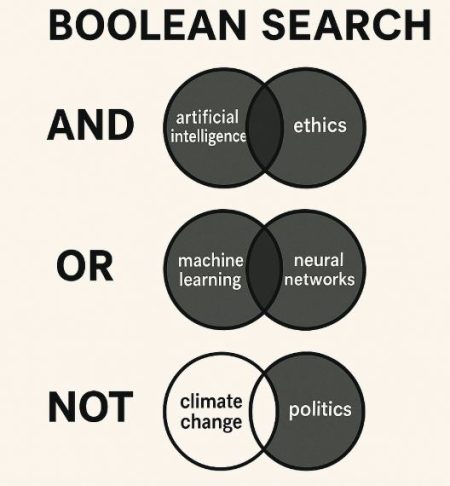
The strength of keyword search lies in its simplicity and speed. It allows users to quickly locate information without needing to know exact titles, authors, or publication dates. However, its effectiveness depends largely on selecting the right keywords. Broad terms can yield a large number of results, some of which may be only tangentially related to the user’s actual query. On the other hand, more specific keywords can narrow the results, offering more relevant materials but potentially missing broader connections. To enhance the precision of a keyword search, users may also employ techniques such as using Boolean operators (AND, OR, NOT) to combine or exclude certain terms, further refining the search.
In libraries, especially, keyword search is integral to the discovery of books, journal articles, and other academic resources. It allows students, researchers, and professionals to access vast collections of information, making it a fundamental tool for academic research. While it is highly effective, it also requires a basic understanding of how to select and combine keywords in a way that produces the most relevant results. Therefore, mastering keyword search can significantly improve a user’s ability to navigate and leverage digital information efficiently.
The Main Components Involved in Performing a Keyword Search
Performing a keyword search involves several key components that work together to help users efficiently retrieve relevant information from databases, search engines, or digital catalogues. Understanding these components can significantly enhance the effectiveness of the search process, whether for academic research, professional inquiries, or general information retrieval.
- Keywords: At the core of any keyword search are the keywords themselves. These are the specific words or phrases that the user enters into the search system. The choice of keywords is crucial, as they directly determine the search results. Well-chosen keywords should closely represent the topic or subject matter the user is looking for. For example, someone researching the effects of climate change may enter terms such as “climate change,” “global warming,” or “carbon emissions.” The more precise and relevant the keywords, the better the search results will be.
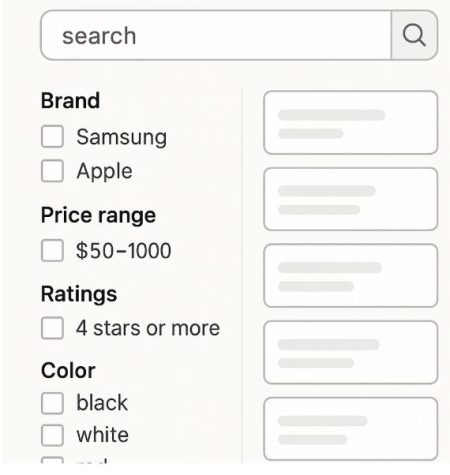
- Search Interface: The search interface is the platform or tool through which the user interacts with the system. This is typically a search bar or field where keywords are entered. Search interfaces can be found in a variety of systems, including digital library catalogues, academic databases like JSTOR or PubMed, and search engines like Google. Some search interfaces also offer advanced options for refining searches, such as filters for date ranges, document types, or subject areas, providing users with greater control over their search queries.
- Search Algorithm: Once the user enters their keywords into the search bar, the system uses a search algorithm to process the query. This algorithm searches through the indexed content in the database or system to find documents, articles, books, or other resources that match the keywords. The search algorithm typically ranks results based on relevance, which can be determined by various factors such as keyword frequency, context, metadata, and user engagement with previous content.
- Database or Index: The database or index is the structured collection of information that the search system scans for relevant content. It contains a catalogue of documents, books, articles, websites, or other resources that have been indexed with keywords and metadata. In library databases, for instance, these indexes can be vast, covering millions of academic papers, books, and multimedia resources. Indexes allow the system to quickly locate content that aligns with the keywords provided by the user.
- Boolean Operators: To refine search results and narrow down or broaden the scope of a query, users often employ Boolean operators—AND, OR, and NOT—within their keyword search. These operators act as logical connectors between multiple keywords and help users define their search criteria more precisely. For instance, a search for “climate change AND global warming” will return results containing both terms, while “climate change OR global warming” will return results that include either term. The NOT operator is used to exclude certain keywords, helping users eliminate irrelevant results.
- Filters and Refinements: Many search systems allow users to refine their search results using filters. Filters may include criteria such as publication date, resource type (journal articles, books, etc.), language, and subject area. These options help users narrow their search results, making them more relevant and manageable. For example, if a user wants to find scholarly articles published in the last five years about climate change, they can apply the appropriate filters to exclude older materials and focus on recent research.
- Search Results: The final component of a keyword search is the results page, where the system presents the documents or resources that match the keywords. These results are usually listed with a brief description or snippet of the content, along with citation details like the title, author, and publication date. The results page may also include options for sorting the results by relevance, date, or citation count, allowing users to prioritize the most pertinent or influential documents.
- Refining the Search: After reviewing the search results, users may find that they need to refine their search to obtain more accurate or focused results. This can involve altering the keywords, adding additional terms, or applying further filters. Iterative searching is a common process, as users often start with a broad query and narrow it down after reviewing the initial set of results.
A keyword search involves several components working together to retrieve relevant information. From selecting the right keywords and using Boolean operators to navigating the search interface and refining results with filters, each part plays a crucial role in ensuring that the user finds the most pertinent and accurate information. Understanding these components enables users to conduct more effective keyword searches, improving their ability to locate valuable resources and information efficiently.
Factors That Influence the Effectiveness of a Keyword Search in Finding Relevant Information
A keyword search is a powerful tool for retrieving information from databases, search engines, and digital catalogues. However, the effectiveness of a keyword search in finding relevant information depends on several factors. Understanding these factors can help users optimize their search strategies, ensuring that they find the most accurate and pertinent results. Below are some key elements that influence the success of a keyword search.
- Choice of Keywords: The most critical factor in the effectiveness of a keyword search is the selection of keywords. Keywords are the terms that define the scope of the search and determine what results will appear. If the chosen keywords are too broad, the search results may be overwhelming and irrelevant, returning a large number of documents that do not specifically address the user’s query. On the other hand, if the keywords are too narrow or specific, the search may return very few results, potentially excluding valuable information.
For example, searching for “climate change” is broad and may yield results on various aspects of climate issues. In contrast, more specific terms like “climate change policy in the United States” or “impact of carbon emissions on global warming” could yield more focused results. It is essential to strike a balance by using keywords that are specific enough to filter out unrelated content but broad enough to capture relevant documents. - Use of Boolean Operators: The use of Boolean operators (AND, OR, NOT) can significantly influence the relevance and scope of search results. Boolean operators help define the relationships between multiple keywords, allowing users to refine their search criteria. For example, using the operator AND between two keywords (e.g., “climate change AND carbon emissions”) ensures that only results containing both terms will appear. Using OR broadens the search to include results with either keyword (e.g., “global warming OR climate change”), while NOT excludes certain terms (e.g., “climate change NOT politics”).
When used effectively, Boolean operators can help users filter out irrelevant results and focus on specific aspects of their topic, making the search process more efficient and accurate. - Relevance of Search Algorithms: Search algorithms are the backbone of any search system, and their relevance determines how effectively results are matched to the user’s keywords. Algorithms assess various factors, such as keyword frequency, document metadata, and context, to rank search results. If a search algorithm is well-designed, it will provide results that most closely match the user’s query, based on both the keywords entered and the relevance of the content.
For example, search engines like Google prioritize content based on factors such as keyword placement (in titles, abstracts, etc.), page quality, and user engagement. In academic databases, algorithms often rank results by the relevance of the document to the search terms, citation count, and publication date, which helps users find the most influential or recent research. - Search System or Database Indexing: The way a database or search engine indexes its content also plays a critical role in keyword search effectiveness. Indexing refers to how the search system organizes and stores information about documents, making it accessible for keyword-based searches. The more thorough and accurate the indexing, the better the system will be at matching keywords to relevant content.
In academic libraries or research databases, for instance, indexing involves tagging documents with specific terms, categories, and metadata that can be quickly searched. A well-indexed system will return relevant documents even when users use related synonyms or keywords, whereas a poorly indexed system may miss or overlook important content. - Search Filters and Refinements: Filters and refinements are additional tools that help narrow or broaden the scope of a keyword search. These options may include limiting results by date, publication type, author, or subject area. Filters allow users to focus on the most relevant content, particularly when searching through vast databases or systems with millions of documents.
For example, if a user is searching for recent research on climate change, they might apply a date filter to limit the results to the last five years. Similarly, selecting a filter for peer-reviewed articles in academic databases can ensure that only scholarly, vetted materials are displayed, enhancing the quality and relevance of the search results. - User Expertise and Search Strategy: The user’s expertise and search strategy can also have a significant impact on the success of a keyword search. Novice users may struggle with selecting the right keywords or understanding how to use Boolean operators effectively. In contrast, experienced users who are familiar with the subject matter and the search system will likely use more precise and relevant keywords, making their search more efficient.
In academic research, for instance, experienced researchers are often skilled at using advanced search techniques, including filtering by subject, selecting specific databases, and using controlled vocabularies or subject headings (e.g., Medical Subject Headings or MeSH terms) to improve their search results. Furthermore, expert users often know how to refine their search queries iteratively, adjusting their terms based on the results they encounter. - Synonyms and Variations in Terminology: The use of synonyms, related terms, or variations in terminology can also affect search effectiveness. Keywords may have multiple terms or synonyms that describe the same concept. For example, searching for “climate change” might return different results than searching for “global warming,” even though both terms are closely related. The ability to anticipate and include alternative terms can help broaden the search and ensure that relevant documents are not missed.
In academic databases, controlled vocabularies or subject thesauri often provide a standardized set of terms for more consistent searching. By understanding the various ways a topic can be described, users can create more comprehensive search queries. - Context of Search: Finally, the context in which the search is being conducted plays a role in its effectiveness. A keyword search may return different results depending on whether the user is searching in an academic database, a general search engine, or a specialized library catalogue. Each platform may prioritize different factors, such as the type of content, user intent, and keyword relevance, influencing the search results accordingly.
Additionally, the user’s goal—whether for general information or detailed academic research—will shape how specific or broad the search should be. Understanding the context helps users tailor their keyword selection and search strategy for optimal results.
Several factors influence the effectiveness of a keyword search in retrieving relevant information. The choice of keywords, the use of Boolean operators, the design of the search algorithm, the quality of indexing, and the availability of search filters all play vital roles in ensuring that search results align with the user’s needs. By understanding these factors and refining their search strategies, users can significantly improve the precision and relevance of the information they retrieve, enhancing the overall search experience.
How Keyword Search Works in a Library’s Catalogue or Database System
Keyword search in a library’s catalogue or database system is a multi-step process that allows users to efficiently find relevant resources, such as books, articles, and multimedia, by entering specific terms or phrases—known as keywords. The process begins when a user enters keywords into the search bar. These keywords are typically chosen to represent the main concepts or topics the user is interested in. Once the query is submitted, the library’s system refers to an indexed database of resources, where each item is catalogued with associated keywords, titles, authors, subjects, and other metadata. The system then uses a search algorithm to scan the indexed records and match the keywords with relevant documents.
The algorithm works by evaluating factors such as keyword frequency, the proximity of the keywords in the document, and the significance of metadata such as titles and abstracts. Modern library systems may also recognize synonyms and variations in terminology, broadening the search and increasing the chances of retrieving relevant materials. Once the system processes the query, it ranks the search results based on their relevance to the entered keywords. Factors influencing this ranking include the relevance score assigned to each result, the date of publication, and the type of document, such as journal articles or books.
After the results are displayed, users can review the metadata, which includes the title, author, publication date, and a brief description or abstract of each item. This allows users to quickly assess the relevance of each result. Additionally, many systems offer sorting and filtering options, enabling users to refine the results by criteria such as publication date, resource type, or subject area. In cases where the initial search does not meet the user’s needs, they can refine the search by modifying the keywords or applying further filters, repeating the process to narrow or broaden the scope.
For more precise searching, advanced search options in library catalogues allow users to apply Boolean operators like AND, OR, and NOT, as well as use phrases, truncation, and wildcards to fine-tune their results. By using these advanced features, users can conduct more focused searches and eliminate irrelevant results. Ultimately, keyword search in library catalogues is a powerful tool that relies on the effective use of keywords, search algorithms, and indexing to provide users with accurate and relevant information. By understanding and utilizing these components, users can improve their search efficiency and discover the materials they need with ease.
The Advantages of Using Keyword Search in Library Systems Compared to Traditional Browsing Methods
Search has become the primary method for information retrieval in modern library systems, offering numerous advantages over traditional browsing methods. While traditional browsing involves manually perusing shelves or indexes to locate resources, keyword search streamlines this process by allowing users to quickly find relevant content based on specific terms or phrases. This efficiency, combined with other key benefits, makes keyword search an indispensable tool in library systems today.
- Speed and Efficiency: One of the most significant advantages of using keyword search in library systems is the speed at which users can find relevant resources. Traditional browsing often requires individuals to physically search through bookshelves or catalogues, which can be time-consuming and inefficient, especially in large libraries with extensive collections. In contrast, keyword search allows users to instantly access a list of resources that match their query, dramatically reducing the time spent locating specific materials. This efficiency is particularly valuable in academic research, where time is often a critical factor.
- Increased Access to a Larger Pool of Resources: Keyword search in digital library systems enables users to search through vast databases and online catalogues that would be otherwise difficult to navigate using traditional methods. While browsing involves physically locating and viewing materials, keyword search allows access to a broader range of resources, including digital articles, e-books, and multimedia, which may not be easily discoverable in print form. Additionally, users can search for specific topics or authors across multiple sources simultaneously, increasing the breadth and depth of available resources.
- Refining Search Results Using Filters and Boolean Operators: Unlike traditional browsing, where the scope of discovery is limited to what is physically present in a particular area or section, keyword search allows users to refine results based on specific criteria. Library systems often provide filtering options such as publication date, document type, language, and subject area. Furthermore, the use of Boolean operators (AND, OR, NOT) allows users to narrow or broaden their search results with greater precision. For example, searching for “artificial intelligence AND healthcare” will return results specifically related to both topics, while excluding irrelevant information. This level of customization is not possible with traditional browsing methods, where resources are often grouped in broad categories or sections without such detailed segmentation.
- Enhanced Discoverability of Relevant Content: Keyword search enhances the discoverability of content by matching the user’s query with resources that contain the specified terms. This method allows for more comprehensive and precise searches. In traditional browsing, users may inadvertently overlook relevant materials because the content is not categorized or labelled in a way that directly reflects their query. Keyword search, on the other hand, scans a database or index for the most pertinent matches, ensuring that users find the exact resources that meet their needs. This is especially beneficial when exploring niche topics or interdisciplinary subjects, where traditional browsing might not provide easy access to materials spread across different sections or collections.
- Reduced Need for Physical Browsing: Traditional browsing methods rely on the physical presence of the user in the library or on the shelves, which may not always be convenient or feasible. Keyword search eliminates the need for users to physically browse through stacks of books or periodicals, allowing them to perform their search remotely from anywhere with internet access. This accessibility is especially important in digital libraries and university systems that provide off-campus access to online catalogues and resources. For students, researchers, and professionals working remotely, the ability to search a library’s entire collection without physically being present offers unparalleled convenience and flexibility.
- Better Organization and Structured Information Retrieval: Library systems using keyword search are often built on sophisticated indexing systems, which allow for more organized and structured information retrieval compared to traditional browsing. Indexed databases categorize materials based on metadata such as keywords, author names, subject headings, and publication dates, making it easier for users to locate specific resources. Traditional browsing, however, often relies on physical classifications (like Dewey Decimal or Library of Congress systems), which can be difficult for users unfamiliar with the system or the library layout. Keyword search overcomes this challenge by allowing users to find exactly what they need, regardless of the resource’s physical location within the library.
- Real-Time Updates and Instant Results: With a keyword search, library systems can provide real-time updates to users, including newly added resources, updated publications, and recent additions to the catalogue. In contrast, traditional browsing methods require users to physically visit the library and check if new resources have been added to a section or category. By providing immediate access to the most current information, keyword search ensures that users are always up to date with the latest materials relevant to their research or interests.
- Search Customization Based on User Preferences: Keyword search systems often allow users to save search queries, set preferences, and even receive alerts for newly available content based on specific keywords. This level of personalization is impossible with traditional browsing, where users would need to revisit physical collections regularly to discover new or updated resources. The ability to tailor searches and set automatic notifications ensures that users never miss relevant material, creating a more personalized and efficient research experience.
- Increased User Control: Unlike traditional browsing, which requires the user to follow predefined paths (e.g., searching through physical categories or relying on the organization of the library’s shelving system), keyword search gives users greater control over their research. By selecting their own keywords and utilizing various search parameters, users can customize the scope of their search and explore a range of results that align with their specific needs. This autonomy helps users become more independent in their research and find the most relevant resources without external constraints.
Keyword search offers significant advantages over traditional browsing methods in library systems. By providing faster, more efficient access to a broader range of resources, greater search precision, and the flexibility of remote searching, keyword search has revolutionized how users engage with library collections. It empowers users to conduct highly tailored searches, refine results, and access the latest information with ease, making it an essential tool for researchers, students, and library patrons alike. With the continued development of search algorithms, indexing techniques, and user interfaces, keyword search will only become more powerful and integral to the future of library information retrieval.