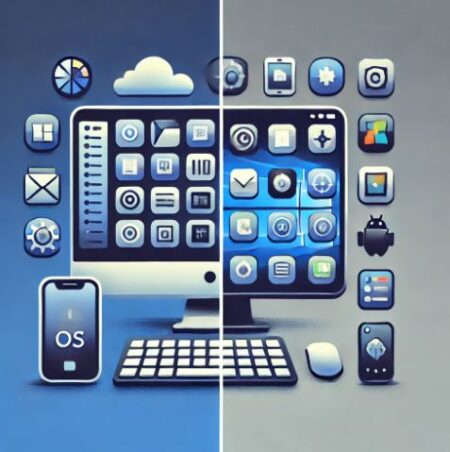
A Desktop Operating System (OS) and a Mobile Operating System (OS) are fundamental components that power and manage the functioning of computers and mobile devices, respectively.…
A Desktop Operating System (OS) and a Mobile Operating System (OS) are fundamental components that power and manage the functioning of computers and mobile devices, respectively.…

32-bit and 64-bit operating systems refer to different architectures that determine how a computer’s CPU processes information and manages memory. The terms “32-bit” and “64-bit” describe…
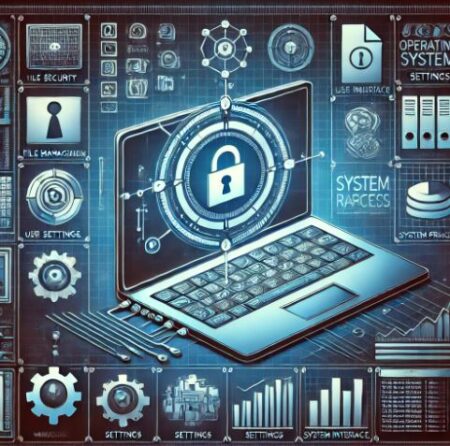
An Operating System (OS) is the foundational software that manages a computer’s hardware and software resources, enabling smooth interaction between the user and the machine. It…
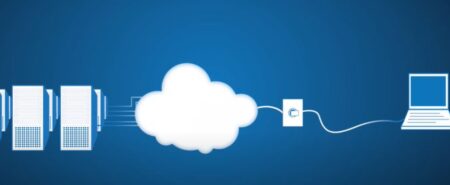
Introduction: In Library and Information science, the infusion of cloud computing represents a groundbreaking paradigm shift, redefining the fundamental principles of information management and accessibility. Cloud…
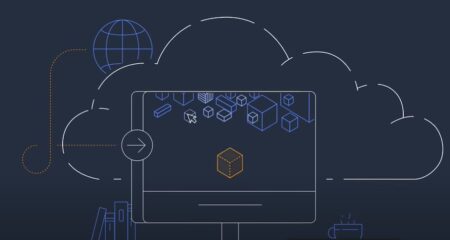
Introduction: Cloud computing has emerged as a transformative force in the realm of information technology, reshaping the way businesses and individuals approach data storage, processing, and…

Introduction: The World Wide Web (WWW), commonly known as the Web, represents an expansive network of interlinked documents that serve as an invaluable source of information.…

Introduction: Data mining is a powerful and transformative process that involves discovering patterns, insights, and knowledge from vast amounts of data. With the exponential growth of…
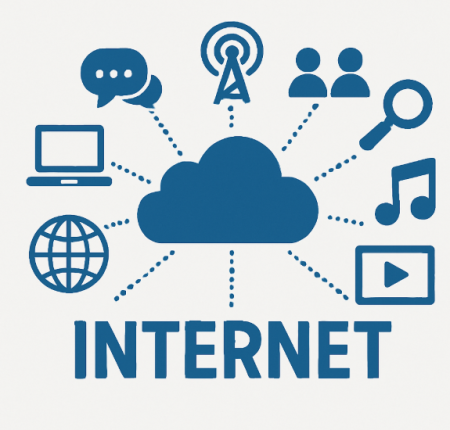
The Internet is a global network of interconnected computers and servers that enables the exchange of data and communication across vast distances. It serves as the…