Technology
Difference Between an Operating System and Application Software
An Operating System (OS) and Application Software are two core components of modern computing that work together to enable users to…
LEARN. EXPLORE. PUT KNOWLEDGE TO WORK.
Explore library science, research and technology. Find practical guides and free tools for students, teachers and library professionals.
An Operating System (OS) and Application Software are two core components of modern computing that work together to enable users to…
A Desktop Operating System (OS) and a Mobile Operating System (OS) are fundamental components that power and manage the functioning of…
32-bit and 64-bit operating systems refer to different architectures that determine how a computer’s CPU processes information and manages memory. The…
An Operating System (OS) is the foundational software that manages a computer’s hardware and software resources, enabling smooth interaction between the…
Information and Communication Technology (ICT) refers to an extensive range of technologies that facilitate data storage, retrieval, manipulation, transmission, and reception…
Academic dishonesty refers to any form of unethical behavior in an academic setting that compromises the principles of honesty, fairness, and…
Academic integrity in higher education is a foundational principle that upholds the ethical standards of honesty, fairness, trust, respect, and accountability…
Academic integrity and academic dishonesty represent two contrasting approaches to scholarly behavior and ethical standards within education. While academic integrity embodies…
Academic integrity is the ethical code and moral responsibility that governs honesty, fairness, and responsibility in academic work. It encompasses values…
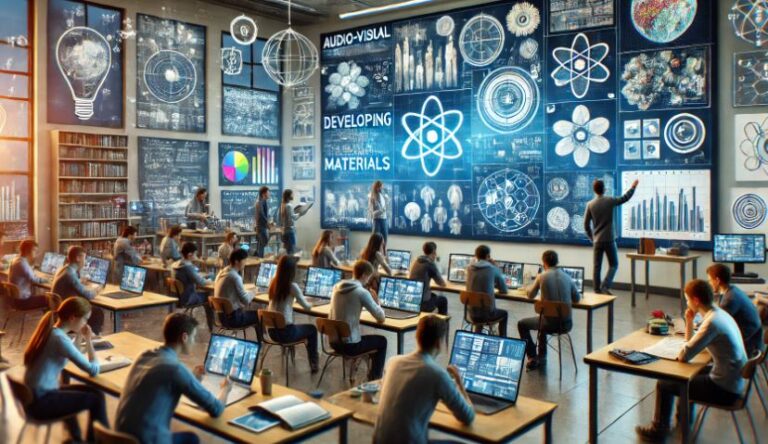
Audio-visual (AV) materials have become invaluable tools in modern education, transforming traditional learning methods into interactive, engaging experiences. From videos and…
In modern education, the role of audio-visual materials in enhancing classroom learning has become increasingly pivotal. Traditional teaching methods, primarily reliant…
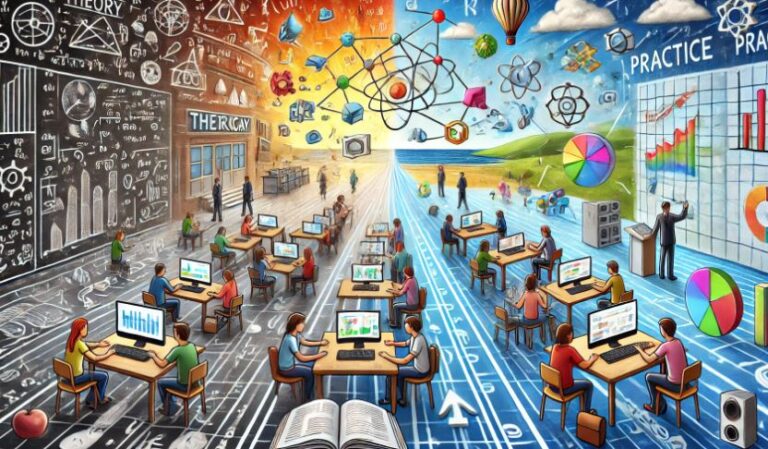
In a dynamic learning environment, bridging the gap between theoretical knowledge and practical application has become a significant educational priority. While…
Critical thinking and problem-solving skills have become indispensable in education and the professional sphere. As industries evolve rapidly with advancements in…