Technology
Social Media and Libraries: Bridging the Gap Between Digital and Physical Spaces
In the digital era, libraries have transformed from being solely physical repositories of books and information to dynamic hubs of learning,…
THE READING ROOM
In the digital era, libraries have transformed from being solely physical repositories of books and information to dynamic hubs of learning,…
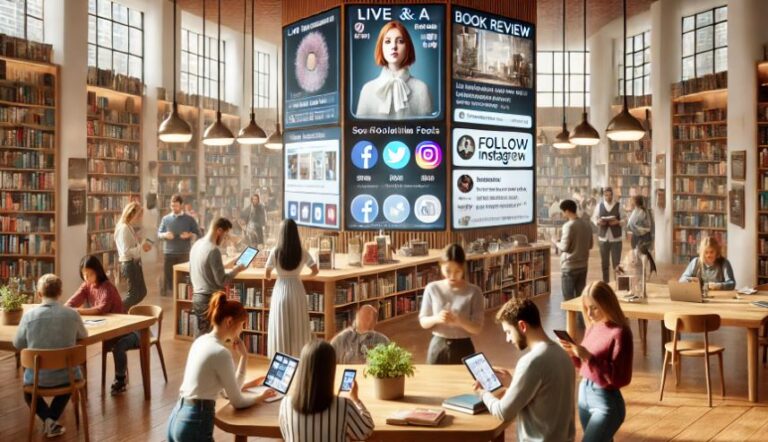
Libraries have embraced social media as a transformative tool to connect with readers, promote resources, and cultivate thriving communities. By leveraging…
Social media refers to digital platforms and technologies that enable users to create, share, and engage with content in real time.…
An Open-Source Library Management System (LMS) is a software solution designed to help libraries efficiently manage their resources, operations, and services,…
LibGuides is a web-based content management system designed to help libraries create and share research guides, often referred to as “LibGuides.”…
Utility software is a type of application software designed to help manage, maintain, and optimize computer systems and their overall functionality.…
Application software is a computer program designed to help users perform specific tasks or achieve particular goals on a device. Unlike…
Open-source software (OSS) and proprietary software are two main types of software that differ significantly in their development, licensing, and usage…
System Software and Application Software are essential components of modern computing, each serving unique and crucial roles. System software functions as…
Software is an essential component of modern technology, representing a collection of data or computer instructions that tell a computer how…