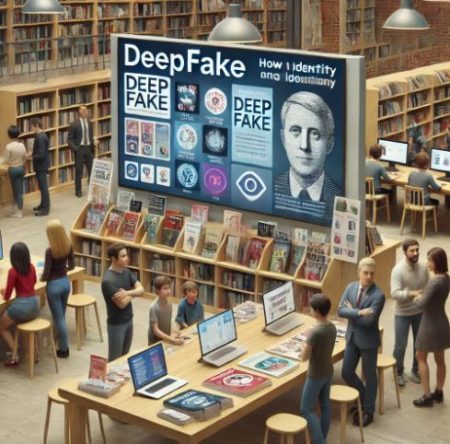
As deepfake technology continues to advance, libraries play a critical role in fostering digital literacy and media awareness within communities. With the potential for deepfakes to…
As deepfake technology continues to advance, libraries play a critical role in fostering digital literacy and media awareness within communities. With the potential for deepfakes to…

Book Acquisition in Modern Libraries refers to the systematic process of selecting, procuring, and managing resources to build a library’s collection in alignment with its mission,…
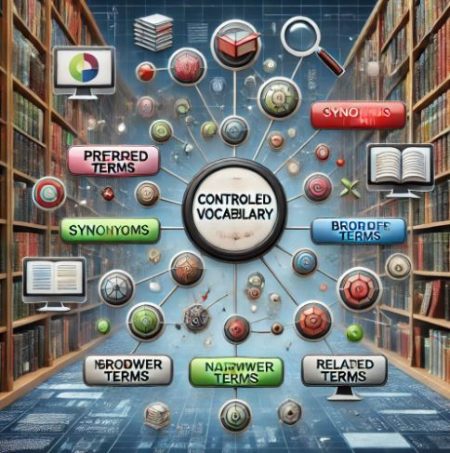
Controlled vocabulary in libraries refers to a standardized and organized set of terms used to describe, categorize, and retrieve library resources. It provides a consistent framework…
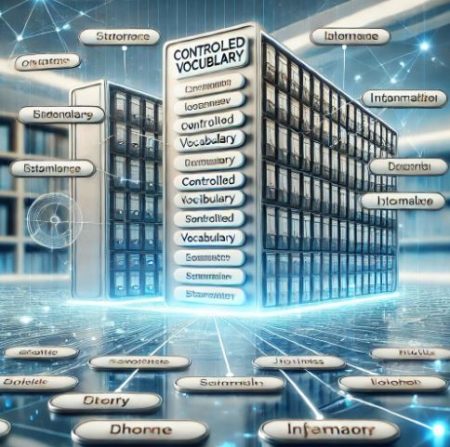
Controlled vocabulary refers to a standardized and predefined set of terms used to organize, describe, and retrieve information in a consistent and structured manner. Unlike natural…
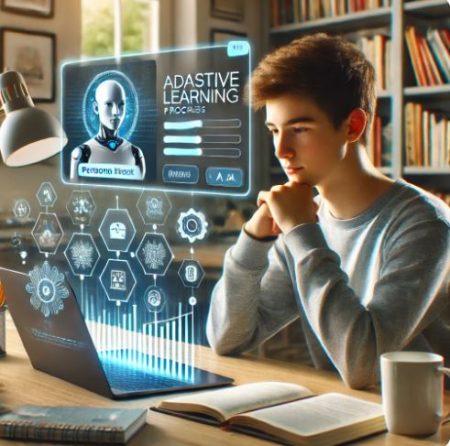
Personalized learning is an educational approach that tailors instruction, content, and pace to meet the unique needs, preferences, and goals of individual learners. Unlike the one-size-fits-all…

The International Federation for Information and Documentation (FID) was a global organization dedicated to advancing the field of information science and documentation. Established in 1895 in…
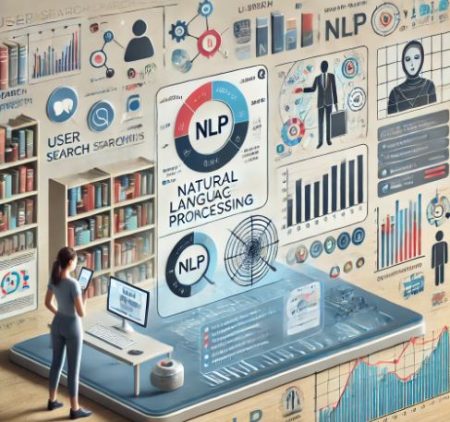
Natural Language Processing (NLP) is a field of artificial intelligence that focuses on the interaction between computers and human language. It enables machines to understand, interpret,…
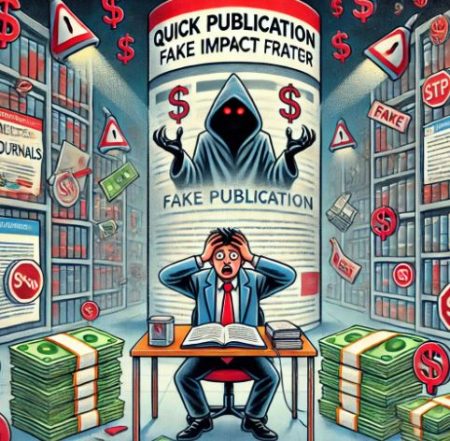
Predatory journals are unethical academic publications that exploit the open-access publishing model for financial gain. Unlike legitimate journals, which uphold rigorous peer-review standards to ensure the…

Crowdsourcing is a collaborative approach that leverages a large group of people’s collective skills, knowledge, and creativity- often through online platforms- to solve problems, generate ideas,…
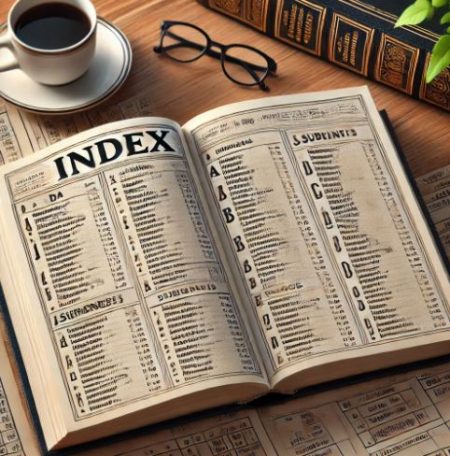
A book index is an organized list of keywords, topics, names, and subjects found within a book, along with the corresponding page numbers where they appear.…