

Non-documentary sources of information are forms of knowledge that are not recorded in traditional, tangible formats like books, journals, or official documents. Instead, they encompass various…
Non-documentary sources of information are forms of knowledge that are not recorded in traditional, tangible formats like books, journals, or official documents. Instead, they encompass various…

Trade literature refers to a specialized category of printed or digital materials businesses use to promote products, services, or industry expertise. It includes items such as…

A patent is a form of intellectual property that grants exclusive rights to an inventor or assignee for a specific period, typically 20 years from the…

A research report is a detailed, formal document that outlines a research project’s findings, analysis, and conclusions. It serves as a way to communicate the research…

A research monograph is an in-depth, comprehensive scholarly work that focuses on a specific research topic or problem within a particular academic discipline. It is typically…
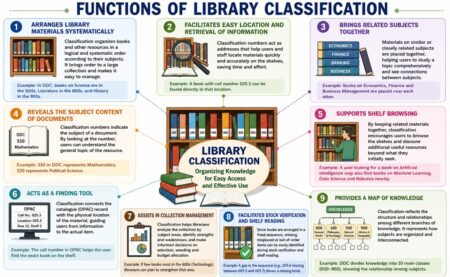
Library classification is a fundamental process in library and information science that enables the systematic organization of knowledge and information resources. As libraries continue to acquire…

Primary sources of information are original, first-hand accounts or direct evidence related to a particular topic, event, or phenomenon. They are created by individuals who experienced…

Reference books and textbooks are cornerstone resources in educational environments, each serving distinct roles tailored to different learning needs. Reference books, such as encyclopedias, dictionaries, and…
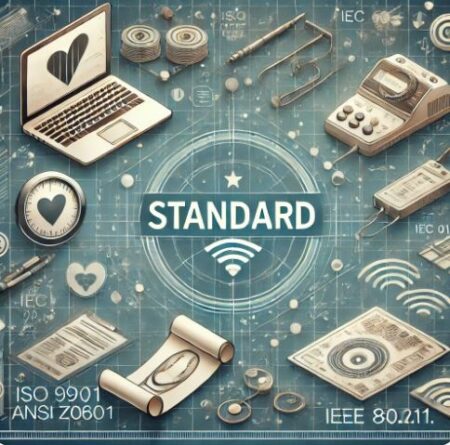
Have you ever wondered how different devices, products, and services seamlessly work together across the globe? That’s the power of standards—unseen but essential frameworks that ensure…
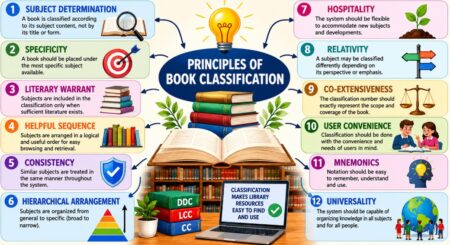
Libraries are established to collect, organize, preserve, and disseminate knowledge to meet the information needs of their users. As library collections continue to grow in both…